Clear answers, one day at a time.
Fresh, practical articles on every part of divorce — published daily.

Temporary Orders in Divorce: What They Do and How to Ask
Divorce can take time, but decisions about children, housing, and bills often cannot wait. Temporary orders can establish enforceable rules while your case moves forward.

Who Claims a Child on Taxes After Divorce?
The parent entitled to claim a child for federal tax purposes is not always the parent named in a divorce agreement. Learn how overnight stays, IRS Form 8332, and different tax benefits fit together.

How to File for Divorce in California: Step-by-Step
Filing for divorce in California starts with residency, court forms, and proper service—but those steps do not end the marriage. Follow this practical guide through disclosures, settlement options, and the final judgment.

How to Find Hidden Assets in a Divorce
If your spouse’s financial disclosures do not match what you know, start with records—not accusations. Learn what to review, how formal discovery works, and which investigative shortcuts to avoid.

How to File for Divorce in Texas: A Step-by-Step Guide
Filing for divorce in Texas starts with meeting residency requirements and submitting an Original Petition for Divorce. This guide explains the forms, service rules, waiting period, and steps needed to finish your case.

Can You Keep the House After Divorce?
Keeping your home after divorce may be possible, but ownership, mortgage responsibility, and affordability are separate questions. Here’s how to evaluate your options before agreeing to a buyout.

How to File for Divorce in Florida: Step-by-Step
Filing for divorce in Florida starts with choosing the right petition and filing it with the circuit court. This guide explains residency, paperwork, service, financial disclosures, and how to finish your case.

What Happens to Health Insurance After Divorce?
Divorce can end your eligibility for a spouse’s health insurance, but you may have several ways to stay covered. Here’s how to compare your options and coordinate the switch.

How to File for Divorce in New York: A Step-by-Step Guide
To get divorced in New York, you must meet residency requirements, file in Supreme Court, and follow rules for notifying your spouse. This guide explains the paperwork, costs, deadlines, and steps for both agreed and disputed cases.

What Is Divorce Mediation, and Is It Right for You?
Divorce mediation gives spouses a structured way to negotiate without asking a judge to decide every disagreement. Learn what a mediator does, how to prepare, and when another approach may be safer.

How to File for Divorce in Nevada: A Practical Guide
Filing for divorce in Nevada starts with meeting residency requirements and choosing between a joint petition and a complaint. This guide explains the paperwork, service rules, financial issues, and steps to a final decree.

Moving Out Before Divorce: What to Know First
Leaving the marital home usually does not erase your ownership rights, but it can create practical problems involving children, bills, and access. Here’s what to consider before deciding whether to stay or move.

California Divorce Papers: Forms and Document Checklist
California divorce papers include more than the initial petition. Learn which official forms you need, which documents to serve rather than file, and what paperwork actually makes your divorce final.

What Happens to Retirement Accounts in Divorce?
Retirement savings can be divided in divorce even when only one spouse’s name is on the account. Learn which benefits may be shared, what paperwork is required, and how to avoid unnecessary taxes.
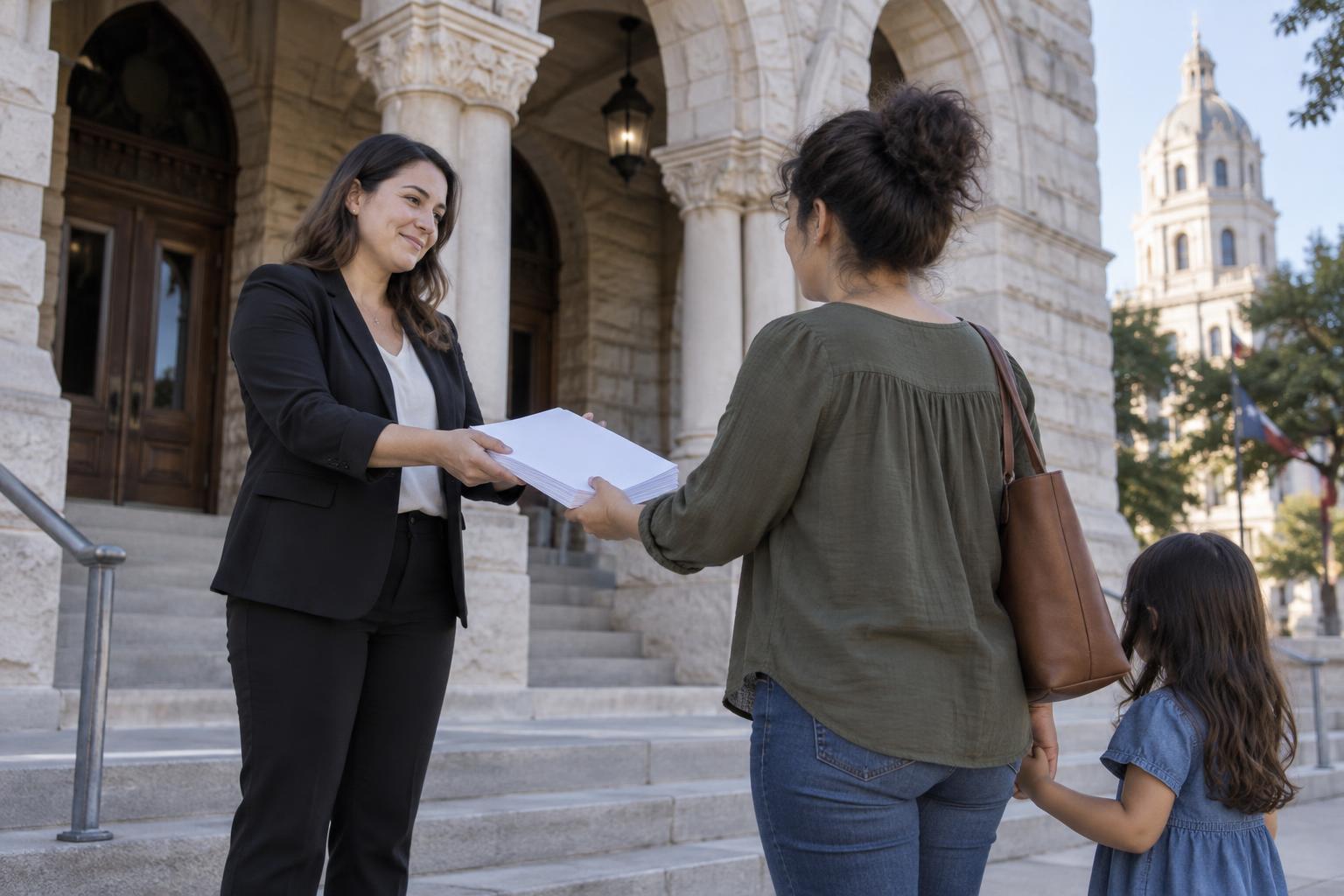
Texas Divorce Forms: Free Packets and What You Need to File
The right Texas divorce forms depend on whether you have minor children, existing court orders, and an agreed or disputed case. Learn where to find free packets, what each document does, and what to check before filing.

Who Pays Credit Card Debt in a Divorce?
Dividing credit card debt in divorce involves two different questions: who should pay between spouses, and who remains legally responsible to the lender. Understanding that distinction can help you avoid expensive surprises.

Florida Divorce Forms: What to File and Where to Get Them
The Florida divorce forms you need depend on whether you have children, property or debts, and whether you qualify for simplified dissolution. Here’s how to find official forms, choose your petition, and assemble the supporting paperwork.

Online Divorce California: Steps, Costs, and Limits
California allows many divorce tasks to happen online, but a website cannot end your marriage. Learn what you can do digitally, which court requirements still apply, and how to evaluate online divorce services.

Can You Get a Divorce Without Your Spouse’s Signature?
A spouse’s refusal to sign usually does not prevent a divorce. Learn the difference between an unsigned settlement, unanswered court papers, and a contested case—and what to do next.

No-Fault vs. Fault Divorce: What’s the Difference?
No-fault divorce does not require proving marital wrongdoing; fault divorce does. Learn how that distinction can affect evidence, costs, and decisions about support, property, and children.

How to File for Divorce: A Step-by-Step Guide
Filing for divorce starts with choosing the right court, completing its required forms, and arranging legal notice to your spouse. Here’s how to get started, avoid common paperwork problems, and understand what happens next.

How Long Does a Divorce Take? Timelines and Delays
A divorce may take a few months or stretch beyond a year, depending on state requirements, unresolved issues, and court availability. Here’s how to understand the timeline and avoid preventable delays.

Online Divorce Nevada: Eligibility, Filing, and Costs
You can handle many parts of a Nevada divorce online, but a document service cannot legally end your marriage. Learn how residency, agreement, electronic filing, and court approval affect your options.

Legal Separation vs. Divorce: Which Should You Choose?
Legal separation can create enforceable financial and parenting arrangements while you remain married. Divorce ends the marriage. Here’s how to compare the practical consequences before choosing.

Divorce Mediation Agreements: Are They Legally Binding?
Reaching an agreement in divorce mediation is not always the same as having an enforceable court order. Learn what your paperwork means, what to review before signing, and how to turn negotiated terms into a workable divorce judgment.

Contested vs. Uncontested Divorce: What’s the Difference?
An uncontested divorce means spouses agree on all required issues; a contested divorce means at least one remains unresolved. Learn how that difference affects the process, costs, and decisions ahead.

Annulment vs. Divorce: Who Qualifies?
A short or unhappy marriage does not automatically qualify for annulment. Learn which legal grounds may apply, how annulment differs from divorce, and what each route can mean for your family and finances.

How Do You Serve Divorce Papers? A Step-by-Step Guide
Serving divorce papers means giving your spouse formal notice of the case using a legally approved method. Learn who can deliver the documents, how to document service, and what to do when your spouse is difficult to locate.

Divorce Residency Requirements: How Soon Can You File?
Moving to a new state does not always mean you can file for divorce there immediately. Learn whose residency matters, how courts assess your connection to a state, and why custody may follow different rules.

How to Divorce a Missing Spouse: Steps and Service Rules
You can often get divorced even if you cannot find your spouse, but you must follow the court’s notice rules. Here’s how to document your search, request another way to serve papers, and understand the limits of a default divorce.

Divorce Mediator Near Me: How to Find the Right Fit
Finding a nearby divorce mediator is only the first step. Use this guide to compare experience, screening practices, fees, and settlement services before you hire someone.

Can You File for Divorce Online? What to Know First
You may be able to submit divorce papers online, but that does not necessarily mean you can complete the entire divorce remotely. Learn how to check your court’s rules, choose the right forms, and avoid paying for services you do not need.

Spouse Refusing Financial Documents in Divorce? What to Do
A spouse’s refusal to share financial records does not necessarily stop a divorce. Learn how to document missing information, use formal discovery, and ask for court enforcement without putting your own case at risk.
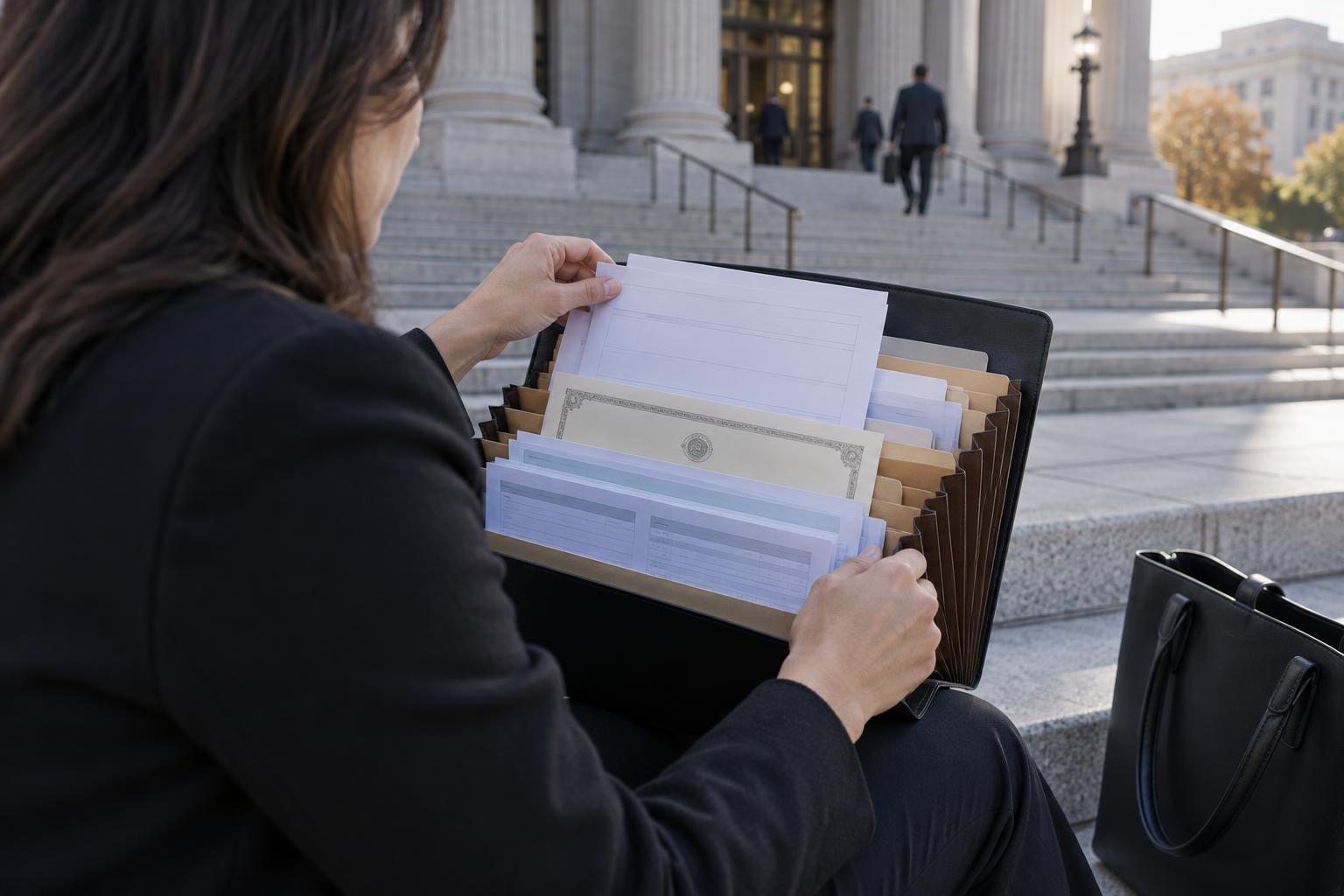
Documents Needed to File for Divorce: Your Checklist
Starting a divorce usually requires court forms—not every financial record you own. This checklist explains what you may need to file, what to gather for later, and how to handle missing documents.

Divorce Mediation Cost: Fees, Extras, and Ways to Save
Divorce mediation may cost far less than litigation, but the quoted session rate rarely tells the whole story. Learn how to estimate your total, compare proposals, and find lower-cost options.

Can You Get Divorced While Pregnant? What to Know
Pregnancy does not necessarily stop you from filing for divorce, but it can affect when the divorce becomes final. Here’s what to understand about state rules, parentage, support, and planning for your baby.

What Happens If a Spouse Dies Before Divorce Is Final?
A spouse’s death usually ends a pending divorce, but it does not automatically settle property, inheritance, or benefit questions. Here is how to identify which rules apply and what to do next.

Divorce Mediation Checklist: Documents, Decisions, Next Steps
Use this practical divorce mediation checklist to gather the right documents, prepare settlement proposals, and identify issues that need legal advice before you sign.

How Does a Restraining Order Affect Divorce Proceedings?
A restraining order can change how spouses communicate, who stays in the home, and how parenting arrangements work during divorce. Its effect depends on the type of order, its specific terms, and state law.

How to Get a Free Divorce Lawyer: Your Options
Free divorce representation may be available through legal aid, volunteer attorneys, or law school clinics. Learn where to apply, what affects eligibility, and how to protect yourself if you cannot find a lawyer right away.

Can You Make Your Spouse Pay Your Divorce Attorney Fees?
A judge may order your spouse to contribute to your divorce attorney fees, but an award is not automatic. Learn how financial need, litigation conduct, and the request process can affect your options.

How Much Does a Divorce Cost? Fees and Ways to Save
Divorce costs depend largely on how much help you need and how many issues remain unresolved. Here’s how to understand legal fees, plan for additional expenses, and avoid preventable costs.

Mediation vs Divorce Lawyer: Which Do You Need?
A mediator helps both spouses negotiate; a divorce lawyer protects one spouse’s legal interests. Learn how to choose the right support—and when combining the two makes sense.

How to Represent Yourself in Divorce Court
Representing yourself in divorce court means handling deadlines, paperwork, evidence, and hearings without a lawyer appearing for you. Learn how to prepare—and when targeted legal help can make a meaningful difference.

Questions to Ask a Divorce Lawyer at Your First Consultation
Your first consultation is a chance to understand your options and decide whether an attorney is a good fit. Use these questions to discuss costs, family priorities, financial concerns, and next steps.

What Is Collaborative Divorce? Process, Costs, and Fit
Collaborative divorce lets spouses negotiate a settlement with separate lawyers and a commitment to stay out of contested court proceedings. Learn how the process works, what it costs, and when another approach may be safer or more practical.

Spouse Refuses to Sign Divorce Papers: What Can You Do?
A spouse’s refusal to sign usually cannot prevent a divorce, but it can change how you get there. Learn which signatures matter, when default is possible, and how to move forward without an agreement.

What Happens If Divorce Mediation Fails?
Failed mediation does not mean your divorce is over—or that a trial is inevitable. Learn what happens to unresolved issues, partial agreements, and confidential discussions.

Divorce Arbitration vs. Mediation: What’s the Difference?
In mediation, spouses decide whether to settle. In arbitration, a neutral decision-maker resolves agreed-upon disputes. Learn how the differences affect control, cost, privacy, and your options if you disagree with the outcome.

Can You Divorce Without Your Spouse's Consent?
Your spouse generally cannot veto a divorce, but their refusal to cooperate can change the process. Learn the difference between consent, signatures, and notice—and what to do next.

How to Prepare for Divorce Mediation: A Practical Checklist
Prepare for divorce mediation by organizing your finances, identifying your priorities, and planning realistic proposals. This checklist explains what to bring, what to ask, and how to avoid agreeing before you understand the terms.

Legal Custody vs. Physical Custody: What’s the Difference?
Legal custody concerns major decisions about a child’s upbringing; physical custody concerns where the child lives and spends time. Learn how these arrangements work together and what to clarify in a parenting plan.

What Happens at a Divorce Trial? A Step-by-Step Guide
At a divorce trial, each spouse presents evidence about unresolved issues, and a judge usually decides the outcome. Here’s what to expect before, during, and after your day in court.

How Courts Decide Child Custody: What Judges Consider
Courts generally decide child custody based on the child’s best interests, not which parent “wins” the divorce. Learn what judges consider, how safety concerns affect decisions, and how to prepare.

Military Divorce: Filing, Retirement, Support, and Benefits
Military divorce happens in civilian court, but federal rules can affect deadlines, retirement division, and benefits. Here is what service members and spouses should understand before filing or signing a settlement.

How to Get Sole Custody of a Child: A Practical Guide
Getting sole custody means showing why the arrangement serves your child’s best interests—not simply why you disagree with the other parent. Learn what sole custody includes, which evidence matters, and how to ask the court for an appropriate order.

Can a Parent Move Out of State With a Child After Divorce?
Moving with your child after divorce may require notice, the other parent’s consent, or court approval. Your custody order and state relocation laws determine what steps you need to take before moving.

Divorcing a Narcissist: A Practical Guide to Protect Yourself
When divorce involves manipulation, intimidation, or repeated conflict, a practical plan matters more than a label. Learn how to prepare, communicate, document concerns, and seek the right legal and emotional support.

What Are the Best 50/50 Custody Schedules?
The best equal-time parenting schedule balances your child’s needs with school, travel, and each parent’s availability. Compare four common schedules and learn what to include in a workable parenting plan.

At What Age Can a Child Choose Which Parent to Live With?
There is no nationwide age when a minor can automatically choose which parent to live with. A child's wishes may influence custody, but state law, maturity, safety, and the child's best interests shape the decision.