How to Divorce a Missing Spouse: Steps and Service Rules
You can often get divorced even if you cannot find your spouse, but you must follow the court’s notice rules. Here’s how to document your search, request another way to serve papers, and understand the limits of a default divorce.
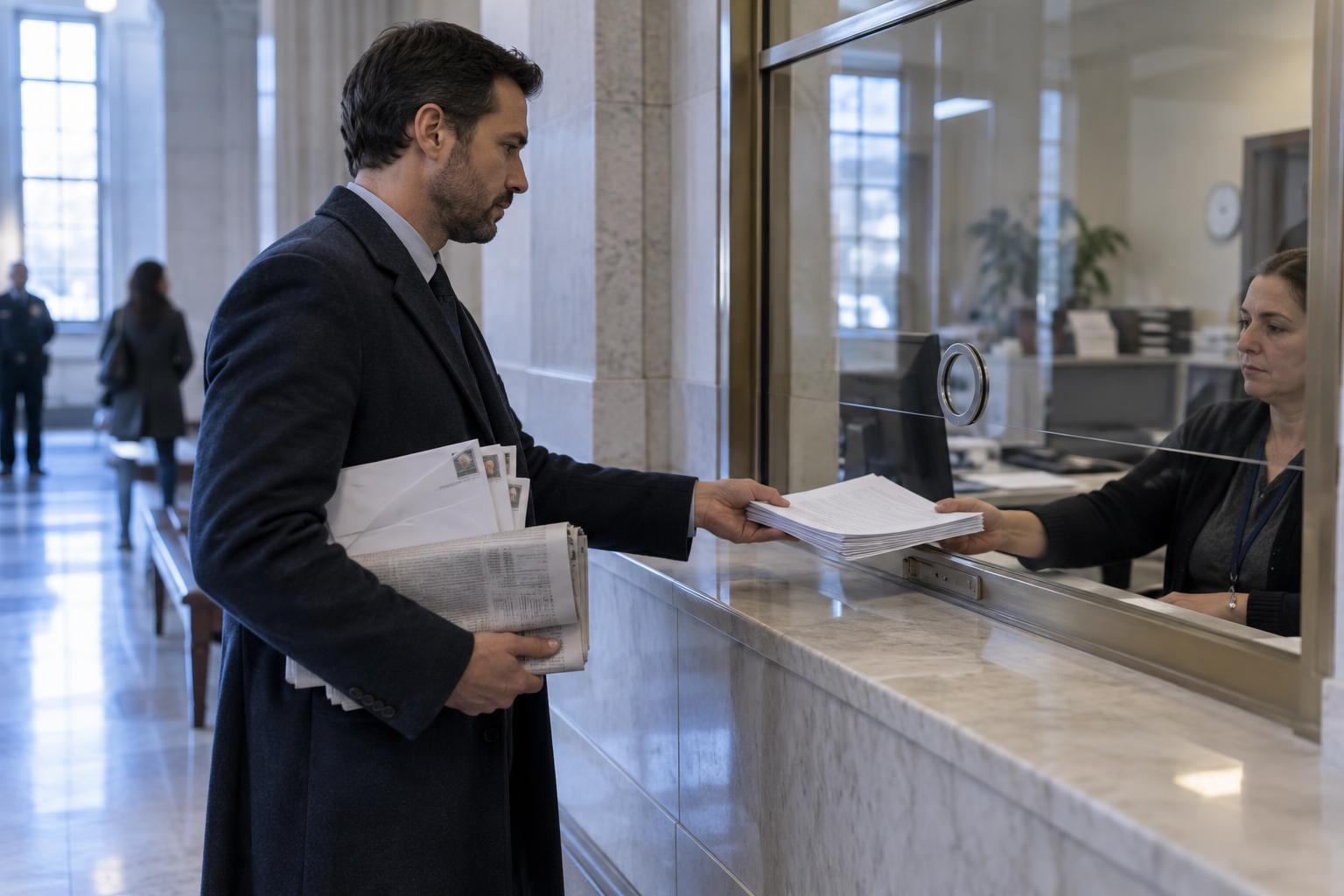
You can usually divorce a spouse you cannot locate, but you must make reasonable efforts to find them and follow your court’s rules for giving notice. If ordinary service is not possible, a judge may authorize another method, such as publication, posting, or electronic service where permitted. After proper notice and the required waiting periods, you may be able to obtain a default divorce, although financial and parenting decisions can require additional jurisdiction and evidence.
Not knowing where your spouse lives can make an already difficult process feel stalled. The key is to create a documented, court-approved path forward—not simply to file papers and assume that silence is enough.
Where do you file if your spouse is missing?
Start by checking whether you meet your state’s divorce residency requirements and which county is the proper place to file. Your spouse’s unknown location does not automatically prevent you from filing where you live, but your own residence alone does not settle every jurisdiction question.
Many people begin searching before filing. Others file first and complete additional search efforts while trying to serve the petition. Local procedure determines when to request permission for alternative service and what documents must accompany that request.
Gather the information you already have
Create a basic case file with:
- Your marriage information and any marriage certificate the court requires.
- Your spouse’s full legal name, known aliases, and last known addresses.
- Previous phone numbers, email addresses, and employment information.
- Information about children, property, debts, and existing court orders.
- Any reliable evidence of when or where you last had contact.
Tell your attorney or court self-help center about related cases, especially custody, support, bankruptcy, or protective-order proceedings. Those cases may affect where particular issues can be decided.
Laws vary by state, and local court rules matter. A local divorce attorney can help identify both the correct filing location and what that court can legally decide when your spouse cannot be found.
What counts as a diligent search for your spouse?
Courts commonly require a “diligent search” or “due diligence” before allowing a less direct form of notice. This means taking reasonable steps to locate your spouse, not merely stating that you have lost touch.
There is no nationwide checklist that guarantees approval. The required effort depends on local rules, the information available, and your circumstances. Some courts provide a specific search affidavit or checklist; obtain it early so you do not overlook a required step.
Reasonable search steps to consider
Depending on what is lawful, safe, and relevant, your search might include:
- Checking the last known home address and available forwarding information through lawful procedures.
- Asking known relatives, friends, or former employers whether they have current contact information.
- Reviewing public social media profiles and online directories.
- Checking relevant public court, property, business, incarceration, or other official records.
- Trying known phone numbers and email addresses.
- Hiring a licensed investigator or professional locator if appropriate and affordable.
A failed service attempt at an old address can help document the problem, but it may not establish a diligent search by itself. Follow credible leads rather than repeating searches that cannot produce useful information.
Keep a dated search log
Record each step, when you took it, whom you contacted, and the result. For example: “April 8: Process server attempted service at last known apartment; occupant reported spouse no longer lives there.”
Keep returned mail, process-server reports, relevant screenshots, and written responses. These records can support a sworn statement explaining why ordinary service is not possible.
Do not access private accounts without permission, impersonate someone, or use tracking technology unlawfully. If contacting your spouse or their contacts could put you at risk, get legal or advocacy support before taking that step.
How do you request permission for alternative service?
“Service” is the formal delivery of court papers in a legally recognized way. A casual message saying you filed for divorce generally does not replace required service.
When you cannot locate your spouse, you typically ask the judge to authorize an alternative method. Depending on the court, this may involve a motion, an application, a sworn search affidavit, supporting records, and a proposed order.
Your request should clearly explain:
- What you know about your spouse’s last location and contact information.
- What efforts you made to locate and serve them.
- What those efforts revealed.
- Which alternative method you are requesting and why it is appropriate.
The judge may approve the request, ask for additional search efforts, or require a different notice method. If you have a working email address or another reliable communication channel, disclose it. A court needs accurate information to select a method reasonably calculated to provide notice.
Do not assume you can publish a notice first and get approval afterward. Follow the required authorization process before relying on publication or another alternative method. Keep a copy of the signed order and read every instruction carefully.
What are the alternatives to personal service?
Publication is a familiar option, but it is not the only possibility. The available methods depend on state law, court rules, and the facts of your case.
| Method | What it generally involves | Important limitation |
|---|---|---|
| Service by publication | Running an approved legal notice in a designated newspaper or authorized publication | The court controls the wording, publication schedule, and other requirements |
| Service by posting | Posting notice at an authorized location or through a court-approved system | Available only in some circumstances; eligibility varies |
| Electronic service | Sending papers through an approved email address, account, or other electronic channel | Not universally available for initial divorce papers; specific authorization may be required |
| Other substituted service | Using a legally permitted recipient, address, or combination of delivery methods | Must satisfy applicable rules; it is not permission to leave papers anywhere |
A judge may require more than one method, such as publication plus mailing to the last known address. Even if you expect the mailed papers to come back, complete the mailing if the order requires it.
Follow the order exactly
Confirm who must arrange the notice, what documents must be included, and what proof must be filed. A newspaper’s publication affidavit, a posting certificate, or another service record may be needed to establish completion.
Publication can add expense. Ask about approved providers and whether any fee waiver or lower-cost procedure applies. A waiver of court filing fees does not necessarily cover a private newspaper’s charges.
If you discover a reliable address while arranging notice, tell your attorney or the court as appropriate. That information may change the required service approach. An address abroad may also trigger international service rules rather than ordinary domestic procedures.
What happens after notice if your spouse never responds?
Once service is legally complete, your spouse has a specified opportunity to respond. How that deadline is calculated depends on the service method and applicable rules. It may not run from the date you first filed or first published a notice.
If no response arrives, you may be eligible to request a default and then a final judgment. Some courts treat those as separate steps. Others use a combined process or require a hearing.
Default does not mean automatic approval
You still may need to establish:
- That the court has jurisdiction and residency requirements are met.
- That service complied with the rules and the judge’s order.
- That the response deadline and any applicable waiting period have passed.
- That the requested relief is legally available and supported by evidence.
- That required financial disclosures and other paperwork are complete.
Federal military-service protections also matter. Before entering a default judgment, courts require information about the absent spouse’s military status. If you cannot determine that status, say so accurately; do not guess. The Servicemembers Civil Relief Act can require additional safeguards, including appointment of an attorney or a stay in qualifying circumstances.
Your marriage is not over simply because your spouse misses a deadline. Wait until the court enters the required final judgment, and confirm when it becomes effective before treating yourself as legally divorced.
Can the court decide property, support, and custody too?
Possibly—but ending a marriage and deciding every related issue are not always the same legal task.
A court may have authority to terminate your marital status without having the personal jurisdiction needed to impose certain financial obligations on your absent spouse. Publication or posting alone may not support every type of order you request.
Financial orders can have limits
Depending on jurisdiction and the assets involved, the court’s ability to order support, allocate debts, or divide property may be limited. Some issues may need to be reserved for later or addressed through another legally available procedure.
Do not assume that a missing spouse forfeits all property rights. You still need truthful financial disclosures and evidence supporting your requests. A divorce order also generally does not release either borrower from obligations to a creditor without the creditor’s agreement.
Parenting issues require their own review
Custody jurisdiction generally depends on separate child-custody laws, including rules concerning the child’s home state and existing proceedings. The court must also consider legally required notice and the child’s best interests; an absent parent does not automatically lose all parental rights.
If children are missing with your spouse, or there is an immediate safety or abduction concern, seek prompt legal help. Routine publication procedures are not a substitute for urgent protective action.
How can you avoid delays and protect the final judgment?
Service mistakes can create more than a delay. They may give your spouse grounds to challenge a default judgment later, particularly if the search was inadequate, notice was defective, or information was concealed.
Use these practical safeguards:
- Be accurate. Describe what you actually did, not what a form seems to expect.
- Follow new leads. Do not ignore useful contact information because publication seems easier.
- Calendar each deadline. Track service completion, the response period, hearings, and required filings separately.
- Save the complete record. Keep search evidence, signed orders, service proofs, and the final judgment.
- Get targeted advice. Even a limited-scope consultation can help with service or jurisdiction problems.
If you cannot afford full representation, look for legal aid, court self-help services, or limited-scope attorneys. Court staff can usually explain forms and filing procedures, but cannot choose a legal strategy for you.
If your spouse appears before the case ends, promptly address any response or objection under local rules. Their appearance may change the process, but it does not necessarily mean you must start over.
Key takeaways
- You can often divorce a missing spouse, but you must satisfy the court’s search and notice requirements.
- Document a genuine, diligent search before requesting alternative service.
- Publication is not a do-it-yourself shortcut; obtain required approval and follow the order exactly.
- Default requires additional steps, evidence, and attention to military-service protections.
- A court may be able to end the marriage without resolving every financial or parenting issue.
- Speak with a local divorce attorney about jurisdiction, safety concerns, and protecting the final judgment.
Frequently asked questions
How long does it take to divorce a spouse you cannot find?
There is no single timeline. Searching, requesting alternative service, completing notice, and waiting for a response can add time to the ordinary divorce process. Court scheduling and state waiting periods also matter. Ask a local attorney or self-help center which deadlines apply to your approved service method.
Do I have to hire a private investigator to find my spouse?
Not always. Courts generally focus on whether your search was reasonable and met applicable requirements, rather than whether you hired a particular professional. An investigator may help when other efforts fail or the facts are complicated. Check your court’s search checklist before spending money, and preserve records of your own efforts.
Can I serve divorce papers through Facebook or email?
Possibly, but availability varies by jurisdiction and usually requires compliance with specific rules or a court order. You may need evidence that the account belongs to your spouse and is actively used. Do not assume that sending a message, receiving a read receipt, or posting publicly completes legally valid service.
Can my spouse reopen the divorce after a default judgment?
An absent spouse may be able to challenge a default judgment on legally recognized grounds, such as defective service, fraud, or certain excusable failures to respond. Deadlines and standards vary, and some jurisdictional challenges follow different rules. A challenge does not automatically succeed, but careful search and service records help protect the judgment.
What if I think my spouse is living in another country?
Tell your attorney what you know and document efforts to identify an address. International service may involve treaties, foreign law, translations, or special court procedures. An unknown address can affect which rules apply, but you should not assume domestic publication is sufficient simply because your spouse may be abroad.
Attorney advertising. Divorcesify is not a law firm, is not a lawyer referral service, and does not provide legal advice. Information on this site is general and may not reflect current law in your state. Using this site or submitting a form does not create an attorney-client relationship. Divorcesify matches visitors with independent, licensed attorneys who pay a fee to participate. We do not endorse or guarantee any attorney, and the choice of a lawyer is an important decision that should not be based solely on advertisements. Read full disclosures.
Get the Divorce Preparation Guide
Checklists, a post-divorce budget outline, and the questions to ask your first attorney — free.
Keep reading
Temporary Orders in Divorce: What They Do and How to Ask
Divorce can take time, but decisions about children, housing, and bills often cannot wait. Temporary orders can establish enforceable rules while your case moves forward.
Who Claims a Child on Taxes After Divorce?
The parent entitled to claim a child for federal tax purposes is not always the parent named in a divorce agreement. Learn how overnight stays, IRS Form 8332, and different tax benefits fit together.
How to File for Divorce in California: Step-by-Step
Filing for divorce in California starts with residency, court forms, and proper service—but those steps do not end the marriage. Follow this practical guide through disclosures, settlement options, and the final judgment.