

Who Gets the Pets in a Divorce? Rules and Practical Options
Pet ownership after divorce depends on state law, ownership evidence, and sometimes the animal’s well-being. Learn what courts may consider and how to build a workable agreement for your pet’s care.
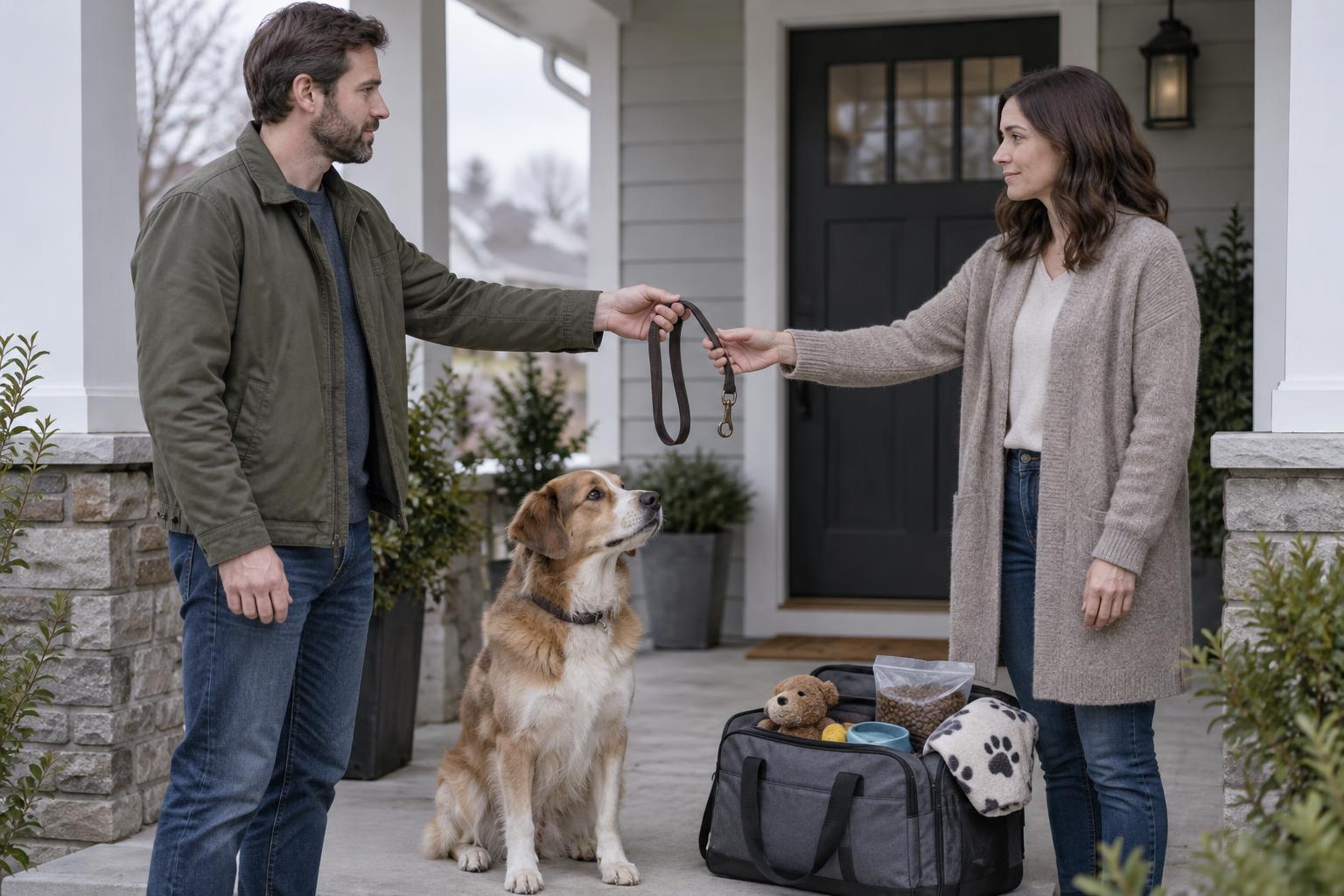
Who gets the pets in a divorce depends on state law, whether the pet belongs to one spouse separately or is marital property, and any agreement the spouses reach. Courts generally treat pets as property, but some states allow or require judges to consider an animal’s care or well-being when deciding ownership. A written agreement can give you more control over your pet’s future than leaving the decision to a judge.
For many families, a pet is a companion, a source of comfort, and part of daily life. Understanding the legal framework can help you protect that relationship while planning for the animal’s needs.
Are pets treated as property in a divorce?
Usually, yes. Although people often use the phrase “pet custody,” pets generally fall under property-division laws rather than the laws governing child custody.
That distinction matters. You should not assume a judge can order visitation, ongoing financial support, or shared decision-making for a pet simply because courts make those arrangements for children.
Separate property versus marital property
A pet you owned before marriage will often be considered your separate property. A pet acquired during marriage may be marital or community property, depending on state law and the circumstances.
But timing alone does not settle every dispute. Relevant questions may include:
- Was the animal a gift specifically to one spouse?
- Did you adopt the pet together, even if only one person signed the paperwork?
- Was there a valid prenuptial or postnuptial agreement addressing ownership?
- Did a later agreement or transfer change who owned the pet?
Paying for veterinary care does not automatically make you the owner of your spouse’s separate-property pet. Likewise, having your name on a receipt may not resolve ownership if the animal was acquired for the family during marriage.
Special rules for companion animals
Some states have laws that let judges consider a companion animal’s well-being or care when awarding ownership. Those laws differ in their scope, including which animals qualify and whether joint ownership is available.
Do not assume these rules create the same “best interests” test used for children. Ask a local divorce attorney what your state’s law actually permits and whether it applies to your pet.
What factors can influence who keeps the pet?
The starting point is the legal framework in your state. In a property-focused case, ownership and property classification may carry the most weight. Where animal-care considerations are authorized, the judge may have more room to examine everyday life.
Depending on the applicable law, useful evidence may address:
- Daily caregiving: Who feeds, walks, grooms, trains, and cleans up after the animal?
- Medical care: Who schedules appointments, administers medication, and follows treatment plans?
- Suitable housing: Does the proposed home allow pets and meet this animal’s needs?
- Availability: Can each person provide care directly or arrange dependable help?
- Safety: Is there evidence of neglect, threats, or abuse involving the pet?
- Continuity: Which arrangement would avoid unnecessary disruption to an established routine?
These are not a universal checklist that every court must apply. They are practical issues to discuss with your lawyer and, where relevant, document.
A higher income does not necessarily settle the dispute. The ability to meet the pet’s needs matters more practically than comparing salaries alone, and legal ownership may remain controlling.
What about children or service animals?
A child’s bond with a pet may be important in negotiations and may be relevant under some state laws. But the pet does not automatically go to the parent with more parenting time.
Service animals raise additional questions involving disability-related needs and the scope of applicable pet-ownership laws. Tell your attorney if the animal is trained to assist you with a disability. An emotional support animal is not legally identical to a service animal, so avoid assuming the same rules apply.
What records should you gather?
Build a clear timeline showing when the pet entered the household, how ownership was understood, and who has provided care. Save records you can lawfully access; do not enter your spouse’s private accounts without permission.
Useful documents include:
- Adoption contracts, purchase records, and transfer documents.
- Veterinary records and vaccination history.
- Microchip registration and local licensing records.
- Pet insurance documents and payment records.
- Messages discussing adoption, gifts, ownership, or care arrangements.
- Boarding, training, grooming, and pet-sitting records.
- Housing documents showing pet permission or restrictions.
No single record necessarily proves ownership. Microchip registration, for example, can help identify a contact person but may not conclusively establish who owns the animal. Adoption paperwork may also contain restrictions on transferring the pet that deserve review.
If caregiving is disputed, prepare a short factual summary: who handled morning walks, medications, appointments, and overnight care. A dated log and firsthand observations from a pet sitter may be more useful than broad statements that you “love the pet more.”
Keep original files and context. Avoid editing screenshots in ways that remove relevant parts of a conversation, and ask your attorney which records are worth submitting.
Is sole ownership or shared care a better option?
There is no single arrangement that works for every animal or family. Start with the pet’s temperament, medical needs, and tolerance for travel, then consider whether you and your spouse can communicate safely and reliably.
| Arrangement | When it may work | Main concerns |
|---|---|---|
| One spouse owns and cares for the pet | The pet needs stability, or ongoing contact is impractical | The other spouse loses regular contact; ownership and expenses should be clear |
| One owner allows scheduled visits | Both people want contact without sharing ownership | Visits may be difficult to enforce; boundaries and transportation need agreement |
| Shared ownership and rotating care | State law permits the arrangement, and cooperation is dependable | Conflicting medical decisions, travel stress, and future moves |
| Each spouse keeps different pets | Multiple animals can comfortably live apart | Separating bonded animals may create distress |
Shared care is not automatically the kindest solution. An animal that becomes anxious during transfers, needs a tightly managed medical routine, or struggles to adjust to unfamiliar spaces may do better in one home.
Conversely, an adaptable pet may manage two familiar households well. A veterinarian or qualified behavior professional can help you assess the animal’s needs, though that advice does not decide legal ownership.
If there is intimidation, stalking, or abuse, repeated pet exchanges may create an unsafe connection. Consider arrangements that minimize direct contact rather than treating shared care as a necessary compromise.
What should a divorce pet agreement include?
A useful agreement should answer ordinary questions before they become emergencies. “We will share the dog” leaves almost everything unresolved.
Ownership, residence, and exchanges
Identify each animal by name, species, distinguishing features, and microchip number if available. State who owns the pet, where the pet primarily lives, and whether the other person has any agreed access.
If you will share care, specify:
- The regular schedule and holiday arrangements.
- Pickup and drop-off locations and transportation responsibilities.
- What happens when someone travels or misses an exchange.
- Whether another person may provide temporary care.
- How relocation or new housing restrictions will be handled.
Consider a review date if the arrangement is new, but avoid promising an automatic court review that local law does not provide.
Expenses and medical decisions
Address routine food and supplies, insurance premiums, preventive care, medication, grooming, and emergency treatment. State who pays, how receipts are shared, and when reimbursement is due.
For significant medical decisions, explain who has authority and how consultation should occur. Include a practical emergency provision so urgent treatment is not delayed while someone waits for a reply.
Discuss difficult issues too: chronic illness, quality-of-life decisions, euthanasia, and notice of the pet’s death. These conversations are painful, but clear expectations can prevent additional conflict later.
Transfers, records, and enforcement
Address whether either person may sell, surrender, rehome, breed, or transfer the animal. Explain how licensing, microchip contacts, insurance, and veterinary authorizations will be updated.
Have a local divorce attorney review the agreement’s enforceability and how it should be incorporated into the settlement or divorce judgment. A court may not have authority to supervise a pet-sharing arrangement the way it supervises child custody, even if both spouses initially agree.
What can you do while the divorce is pending?
Try to establish a written interim arrangement covering where the animal stays, necessary care, expenses, and access. Make clear whether the arrangement is temporary and whether ownership remains disputed.
An interim agreement can reduce uncertainty, but it does not guarantee the eventual outcome. If agreement is impossible, ask your attorney whether a temporary order concerning possession, care, or expenses is available under local law.
Do not assume taking the pet first secures ownership. Hiding, selling, surrendering, or transporting a disputed animal can escalate the conflict and may violate court orders or other legal obligations. Do not enter your spouse’s home without authorization to retrieve the pet.
Regardless of the ownership dispute, never withhold medication, food, or veterinary information as leverage.
If you are worried about the pet’s safety
Take threats seriously and preserve messages or other evidence safely. Depending on the circumstances and state law, protective orders may include provisions involving animals.
If you or the animal face immediate danger, contact emergency services or the appropriate local animal welfare authority. A domestic violence advocate may also help locate pet-inclusive shelter or confidential foster options. Safety planning should come before negotiating visits or arranging an in-person handoff.
How can you resolve a pet dispute without a trial?
Begin with a concrete proposal grounded in the animal’s routine: residence, care, costs, and any continued contact. That gives you something more useful to discuss than competing claims of attachment.
Negotiation through attorneys or mediation may help if both people can participate safely and voluntarily. You might agree that one spouse keeps the pet while other property issues are resolved as part of the overall settlement. Be explicit that any financial adjustment does not itself create future visitation rights.
If you reach an agreement, make sure the final documents address the pet rather than relying on a handshake. If a judgment has already awarded ownership and your former spouse refuses to comply, ask an attorney about enforcement instead of attempting a self-help recovery.
Divorcesify provides general information, not legal advice. Laws vary by state, and a local divorce attorney can explain your options, likely costs, and whether the outcome you want is something a court can order.
Key takeaways
- Pets are generally treated as property, but some states specifically consider their care or well-being.
- Adoption records, ownership history, and caregiving evidence may matter; one name on a document is not always decisive.
- Shared care should fit the animal’s needs and both people’s ability to cooperate safely.
- Put ownership, schedules, expenses, medical authority, and transfer restrictions in writing.
- Ask a local divorce attorney about temporary arrangements, enforceability, and any urgent safety concerns.
Frequently asked questions
Does the person named on the adoption papers automatically get the pet?
Not necessarily. Adoption papers are important evidence, but a court may also consider when the pet was acquired, whether it was a gift, applicable marital-property rules, and other relevant facts. A contract may contain ownership or transfer terms that need review. Gather the full paperwork rather than relying only on the signature page.
Can a judge order shared custody of a dog after divorce?
It depends on state law. Some states expressly allow joint ownership or other arrangements for companion animals, while others primarily resolve pet disputes through property division. Even when spouses agree to shared care, enforcement may be limited. Ask a local attorney whether the proposed arrangement can be included in an enforceable divorce judgment.
Who pays the pet's veterinary bills after divorce?
Responsibility depends on your agreement, any applicable court order, and obligations to the veterinary provider. Pet expenses do not automatically follow child-support rules. A settlement can allocate routine and emergency costs, set reimbursement deadlines, and identify who authorizes treatment. Your agreement with your former spouse may not change a provider’s rights under its payment contract.
Can my spouse give away our pet during the divorce?
Do not assume either spouse can freely give away a disputed pet. Ownership rights, standing court restrictions, temporary orders, and adoption-contract terms may limit transfers. If you believe a transfer is imminent, promptly ask a local divorce attorney about available relief. Preserve relevant messages and avoid confrontation or an unauthorized attempt to retrieve the animal.
What if I owned the pet before we got married?
A pet owned before marriage will often be separate property, which generally favors the original owner keeping it. However, later transfers, agreements, and state-specific rules can affect the analysis. Keep records showing when and how you acquired the animal. Your spouse’s payment of household pet expenses does not automatically establish a change in ownership.
AI-assisted general information from Divorcesify. This article has not been represented as reviewed by a licensed attorney; confirm current local law before acting.
Find your state’s divorce rules · Explore divorce process guides · Prepare for your attorney consultation
Attorney advertising. Divorcesify is not a law firm, is not a lawyer referral service, and does not provide legal advice. Information on this site is general and may not reflect current law in your state. Using this site or submitting a form does not create an attorney-client relationship. Divorcesify matches visitors with independent, licensed attorneys who pay a fee to participate. We do not endorse or guarantee any attorney, and the choice of a lawyer is an important decision that should not be based solely on advertisements. Read full disclosures.
Get the Divorce Preparation Guide
Checklists, a post-divorce budget outline, and the questions to ask your first attorney — free.
Keep reading

Temporary Orders in Divorce: What They Do and How to Ask
Divorce can take time, but decisions about children, housing, and bills often cannot wait. Temporary orders can establish enforceable rules while your case moves forward.

Who Claims a Child on Taxes After Divorce?
The parent entitled to claim a child for federal tax purposes is not always the parent named in a divorce agreement. Learn how overnight stays, IRS Form 8332, and different tax benefits fit together.

How to File for Divorce in California: Step-by-Step
Filing for divorce in California starts with residency, court forms, and proper service—but those steps do not end the marriage. Follow this practical guide through disclosures, settlement options, and the final judgment.