

How to Get a Copy of Your Divorce Decree
You can usually request your divorce decree from the court that finalized your divorce. Here’s how to find the right office, choose the right type of copy, and avoid common delays.
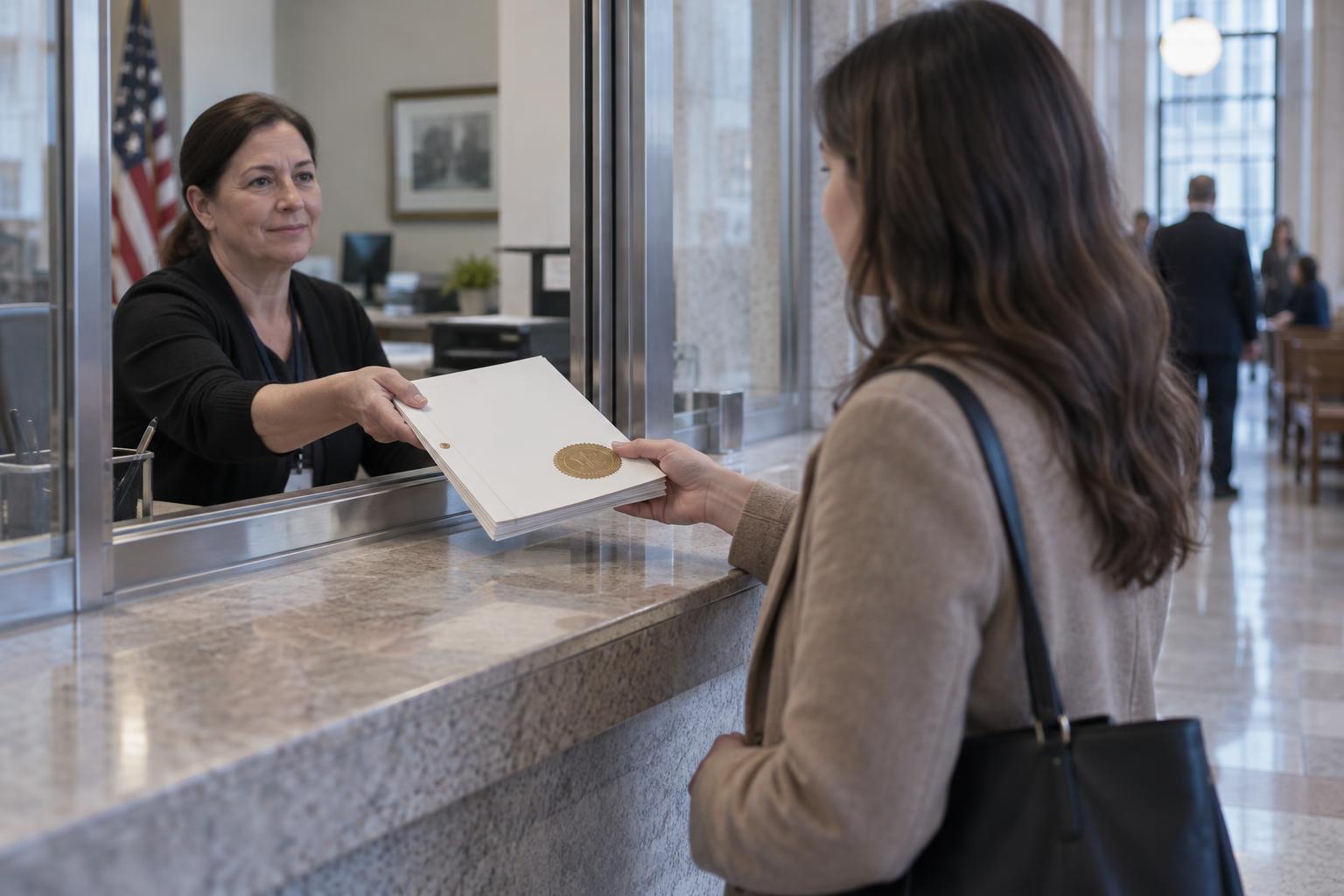
To get a copy of your divorce decree, contact the clerk or records office of the court that finalized your divorce and follow its request process. You can often request a copy online, by mail, or in person; ask for a certified copy if the organization receiving it requires official proof. If you do not know the case number, the clerk may be able to locate the record using the spouses’ names and an approximate divorce date.
Losing your paperwork does not undo your divorce, and you generally do not need your former spouse’s permission to request your own accessible court records. The main task is finding the correct court and asking for the right document.
What is the difference between a divorce decree and a divorce certificate?
A divorce decree is the court’s final order ending a marriage. Depending on the court, it may be called a final judgment of divorce, judgment of dissolution, or another similar name.
It commonly addresses property, debts, support, and parenting arrangements, although some terms may appear in separate orders or an incorporated settlement agreement. A decree is different from a divorce certificate, which generally confirms basic facts about the divorce without providing its full terms.
| Document | What it generally contains | Where to look first |
|---|---|---|
| Divorce decree or final judgment | The court’s order ending the marriage and its terms, sometimes with referenced documents | Court clerk or court records office |
| Divorce certificate or verification | Basic facts, such as names, date, and location of divorce | State vital records office, where available |
| Docket or case summary | A list of filings, events, and orders in the case | Court’s case-search system or clerk |
A docket entry saying “judgment entered” is not the same as the judgment itself. Likewise, a vital records office may provide a certificate or verification but not the full decree.
Before ordering anything, ask the receiving organization: “Do you need the full divorce judgment, a certified copy, or just verification that the divorce occurred?” That question can prevent paying for the wrong record.
Where do you request a copy of your divorce decree?
Start with the court that entered the final divorce judgment—not necessarily the court closest to where you live now or where you married.
For example, if your divorce was finalized in a different county before you moved, you would generally request that judgment from the original court. Courts handling divorce may be called family, circuit, district, superior, or domestic relations courts.
Use an official court or government website to find the clerk’s contact information. Look for pages labeled “records requests,” “copies of court documents,” or “family court records.” Be cautious with commercial websites that charge to search public records but cannot issue court-certified copies.
What if you do not remember the court?
Check documents you already have, including:
- Emails or letters from your former divorce attorney.
- Old court notices, filing receipts, or support paperwork.
- A settlement agreement showing the court caption and case number.
- Personal records indicating where you lived when the divorce was filed.
Your former attorney may still have a copy, subject to the firm’s file-retention practices. However, a copy from the attorney’s file may not be certified.
If those leads do not help, ask the likely county clerk about name searches. A statewide court portal or state vital records office may also help identify the divorce location, depending on what records that state maintains and who may access them.
What information do you need to request the decree?
Requirements vary, but gathering the following details usually makes the search easier:
- Both spouses’ full names as they appeared during the divorce.
- Any former names used in the case.
- The case or docket number, if known.
- The approximate year or date the divorce became final.
- The county and court where the case was handled.
- Your current contact information and delivery address.
- Whether you need a plain or certified copy.
The office may require identification, a signed request, or proof that you are entitled to access restricted records. Do not send sensitive identification documents or a Social Security number through ordinary email unless the court specifically directs you to an appropriate secure process.
Not knowing the case number does not necessarily prevent a request. However, a manual search may take longer or involve a search fee. Providing a narrow date range and accurate names helps, especially when a spouse has a common name.
If your name has changed, ask whether you must provide documentation connecting your current identification to the name in the court file.
How do you request a plain or certified copy?
The process is usually administrative: you request an existing record rather than ask the judge to decide anything new. Follow the specific court’s instructions rather than a generic nationwide form.
1. Confirm that you are requesting the final judgment
Ask for the final, entered divorce decree or judgment of dissolution. A proposed judgment, unsigned settlement, or hearing notice does not establish the same thing.
If you need particular terms, specify that you also need any attachments or incorporated agreements containing them. A short judgment may refer to a separate parenting plan or property settlement without reproducing it.
2. Choose the correct copy type
A plain copy may be enough for your personal files or an initial consultation with an attorney. A certified copy carries the court’s certification that it is a true copy of the official record. Certification may be on paper or electronic, depending on the court.
Certified does not mean newly signed by the judge. It also does not mean you should take an ordinary photocopy to a notary; notarization generally does not replace court certification.
3. Submit the request and payment
Courts may accept requests through an online portal, by mail, at a records counter, or through another approved method. Follow instructions about forms, payment methods, identification, and return envelopes.
Possible charges include search, copying, certification, archive retrieval, and mailing fees. Ask for the total before paying. If cost is a barrier, ask whether a fee waiver or reduced-fee option covers record copies; do not assume a previous filing-fee waiver applies.
4. Check the copy when it arrives
Confirm that the names, case number, and judgment date match your case. Check that all requested pages, attachments, and certification are included.
If the decree is needed for a deadline, ask about processing times and available expedited options before ordering. Keep the request confirmation and payment receipt until you receive the document.
Can you get your divorce decree online?
Sometimes. Some courts let parties view or purchase documents through an official portal. Others show only a case summary or require requests by mail or in person.
Family court records may have access restrictions even when other court documents are available online. You might need to create an account, verify your identity, or establish that you are a party to the case.
A downloadable PDF is not automatically certified. Before relying on it for an application or transaction, check both:
- Whether the court identifies it as an electronically certified copy.
- Whether the receiving organization accepts that format.
If a portal shows the case but no document image, contact the clerk. The judgment may exist only in a paper file, be stored in an older records system, or require a separate copy request.
Save a secure digital backup for reference, but preserve the original certification or electronic verification features. Printing an electronically certified document may not satisfy a recipient that needs to validate the original electronic file.
What if the record is old, sealed, or missing?
These situations can take extra steps, but an unsuccessful online search does not necessarily mean the decree is unavailable.
Older or archived cases
Older files may be stored off-site, on microfilm, or with a government archive. Ask the clerk which office holds the judgment and whether retrieval requires a separate request or fee.
If the court has been renamed or reorganized, ask which successor court maintains its records. Start with official court administration or county records staff rather than assuming the file was destroyed.
Sealed or restricted records
Being a party may give you access unavailable to the public, but you may still need identification or a formal request. Some records require court permission before release.
Ask what procedure applies specifically to obtaining your judgment. Do not assume you must seek access to the entire sealed file if you need only the final decree.
A judgment cannot be located
Ask the clerk to check alternate names, case numbers, archives, and whether a final judgment was actually entered. Signing a settlement or attending a hearing is not always the final step in becoming legally divorced.
If the court confirms that a record is missing or destroyed, speak with a local divorce attorney about available procedures for establishing or reconstructing the record. Do not create a replacement document yourself or rely solely on your former spouse’s recollection.
Which documents do you need for your next step?
The right request depends on why you need the decree. Receiving organizations set their own documentation requirements within applicable law, so confirm those requirements before ordering multiple copies.
Name changes, remarriage, and benefits
For a name update, an agency may need a certified decree that expressly restores your former name. If your decree lacks that language, ask the agency what other documentation it accepts; a separate name-change process may be necessary.
For remarriage or benefits, the organization may accept a divorce certificate or require the judgment. Do not assume one office’s requirements apply everywhere.
Enforcing or reviewing divorce terms
Request the relevant settlement agreement, parenting plan, support order, or later modification orders as needed. The original decree alone may not show your current obligations if the court changed an order afterward.
Using the decree outside the United States
A foreign authority may require a certified copy plus an apostille or another authentication process, and possibly a translation. Ask that authority exactly what it requires, then confirm the correct authentication route with the court or appropriate government office. A standard certified copy may not be enough.
Laws and access rules vary by state. Divorcesify provides general information, not legal advice; speak with a local divorce attorney if access is disputed, the judgment’s status is unclear, or you need help interpreting it.
Key takeaways
- Request your decree from the court that finalized your divorce, even if you now live elsewhere.
- Confirm whether you need a full decree, a certificate, or a certified copy.
- Gather names, an approximate date, and the case number if available.
- Check fees, access requirements, and processing times directly with the clerk.
- Request attachments and later orders when you need the complete or current terms.
- If an online search fails, ask about paper files, archives, and restricted-access procedures.
Frequently asked questions
Can I get a copy of my divorce decree without my ex-spouse?
You generally do not need your former spouse’s permission or participation to request your own accessible divorce records. Contact the court that finalized the divorce and follow its identification and request requirements. Sealed or restricted records may require additional authorization, so ask the clerk what access rules apply to your case.
How much does a certified copy of a divorce decree cost?
The cost depends on the court, document length, and delivery method. You may pay separate fees for searching, copying, certification, archive retrieval, or mailing. Ask the clerk for a complete estimate before submitting payment. If paying is difficult, ask whether a fee waiver or reduced-fee option applies to record requests.
How long does it take to receive a divorce decree copy?
Timing depends on the court’s workload, request method, and whether the file is readily available or archived. An accessible electronic record may be faster than a mailed request requiring retrieval. Ask the clerk for the current processing estimate, allow time for delivery, and check whether expedited service is available if you have a deadline.
Can I request a divorce decree if I do not know the case number?
Often, yes. Give the clerk both spouses’ names as used during the divorce, an approximate date, and any other requested identifying information. The court may offer a name search or direct you to a case-search portal. Manual searches can involve additional fees, and older records may require an archive search.
Does a certified copy of a divorce decree expire?
A certified copy generally does not expire merely because it is old. However, a receiving organization may require a recently issued copy, specific authentication, or later orders showing current terms. Check its requirements before ordering. If the decree was amended or related orders were modified, ask which additional documents you need.
AI-assisted general information from Divorcesify. This article has not been represented as reviewed by a licensed attorney; confirm current local law before acting.
Find your state’s divorce rules · Explore divorce process guides · Prepare for your attorney consultation
Attorney advertising. Divorcesify is not a law firm, is not a lawyer referral service, and does not provide legal advice. Information on this site is general and may not reflect current law in your state. Using this site or submitting a form does not create an attorney-client relationship. Divorcesify matches visitors with independent, licensed attorneys who pay a fee to participate. We do not endorse or guarantee any attorney, and the choice of a lawyer is an important decision that should not be based solely on advertisements. Read full disclosures.
Get the Divorce Preparation Guide
Checklists, a post-divorce budget outline, and the questions to ask your first attorney — free.
Keep reading
Temporary Orders in Divorce: What They Do and How to Ask
Divorce can take time, but decisions about children, housing, and bills often cannot wait. Temporary orders can establish enforceable rules while your case moves forward.

Who Claims a Child on Taxes After Divorce?
The parent entitled to claim a child for federal tax purposes is not always the parent named in a divorce agreement. Learn how overnight stays, IRS Form 8332, and different tax benefits fit together.

How to File for Divorce in California: Step-by-Step
Filing for divorce in California starts with residency, court forms, and proper service—but those steps do not end the marriage. Follow this practical guide through disclosures, settlement options, and the final judgment.